 English
 العربية


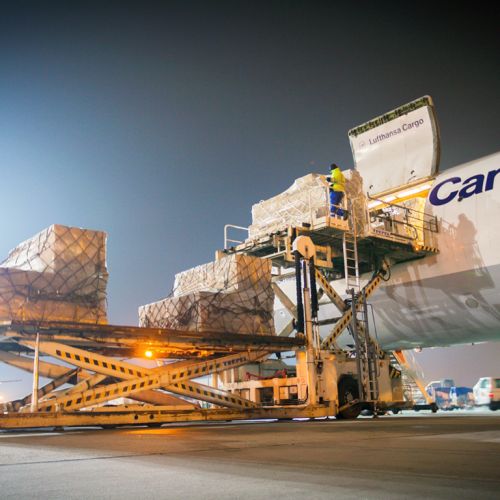
Expanding commercial operations internationally opens up immense market opportunities, but it also introduces intricate supply chain challenges. Freight forwarding serves as the backbone of global trade, coordinating the physical movement of goods across oceans, air spaces, and land corridors. Understanding the mechanics of international shipping allows businesses to plan effectively and mitigate unexpected transit delays.
Key to successful freight forwarding is master-level customs clearance and regulatory documentation. Every country maintains distinct tariffs, trade agreements, and import/export restrictions that can bottleneck unorganized shipments. Experienced logistics teams manage these paperwork burdens proactively, ensuring proper duties are paid and goods clear border inspection points without costly operational halts.
Modern freight forwarding also leverages dynamic risk management strategies to shield businesses from global market volatility. From fluctuating fuel surcharges to unexpected weather delays, flexible routing and real-time cargo re-diversions keep freight moving. By establishing end-to-end oversight, international shippers gain the stability and predictability needed to scale globally.
In the transport industry, the last mile represents the final and often most critical leg of the...

Today’s fast-paced commerce leaves little room for blind spots in cargo movement. Real-time...
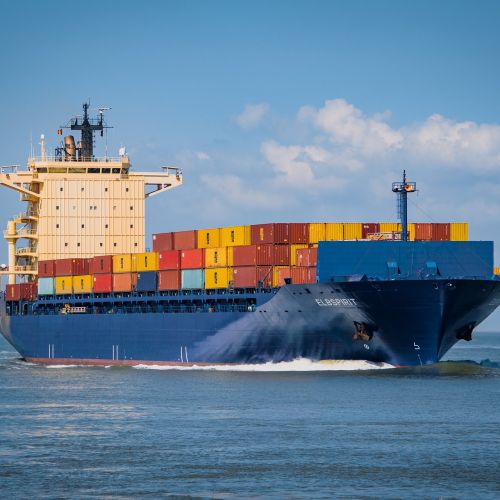
The global logistics sector is undergoing a massive transformation driven by the need for...

Green Mile Logistics
Heavy Equipment & Project Cargo
Green Mile Logistics
Container Transport
Green Mile Logistics
Road Freight
Green Mile Logistics
Refrigerated Transport